

Exploring the psychology of gambling in casinos
The allure of gambling: Understanding the motivation
The psychology behind gambling has captivated psychologists and sociologists for many years. The allure of casinos intertwines excitement with the potential for financial gain, serving as a powerful motivator for individuals. Gamblers are often drawn to the thrill of risk-taking and the uncertainty of outcomes, especially at a venue offering neosurf casino instant withdrawal , as the vibrant atmosphere of a casino, characterized by flashing lights, enticing sounds, and a lively crowd, creates a euphoric environment that keeps players engaged. This sensory overload heightens the excitement, making the gambling experience much more thrilling than it might otherwise be.
Furthermore, the thrill associated with gambling often connects to the human desire for validation and achievement. Winning, even a small amount, can provide a significant boost to one’s self-esteem and sense of accomplishment. This emotional feedback loop reinforces gambling behavior, leading to repeated visits to casinos. Many individuals may also turn to gambling as a means of escaping reality or managing stress, further complicating their motivations. By delving into these psychological underpinnings, we can gain a better understanding of why some individuals might develop problematic gambling behaviors.
The social dynamics of gambling also play a crucial role in its allure. Many people visit casinos not only to engage in gambling but also to socialize and enjoy the overall atmosphere. The interactions that occur in these environments can significantly enhance the gambling experience. Friends may encourage one another to play, creating a sense of camaraderie that justifies their actions. This social reinforcement can make it easier for individuals to rationalize extended periods of gambling, often in search of shared experiences or memorable wins, amplifying the draw of casino environments.
The role of cognitive biases in gambling behavior
Cognitive biases play a pivotal role in shaping gambling decisions, often leading individuals to misinterpret odds and outcomes. A notable example is the illusion of control, where gamblers mistakenly believe they can influence the outcome of games of chance. This overconfidence can push players to gamble more frequently than is advisable. For instance, a player may convince themselves that they can predict the results of a slot machine based on previous spins, despite each spin being independent and random, contributing to misguided beliefs about their skills.
Confirmation bias is another cognitive distortion that significantly impacts gamblers. Individuals often remember their wins far more vividly than their losses, reinforcing an inaccurate perception that they are on a winning streak. This selective memory can lead to increased gambling behavior, as the positive reinforcement from remembered wins overshadows the reality of accumulated losses. Recognizing these cognitive biases is essential for understanding the patterns that may lead to problematic gambling behaviors and can help in developing strategies to mitigate risks.
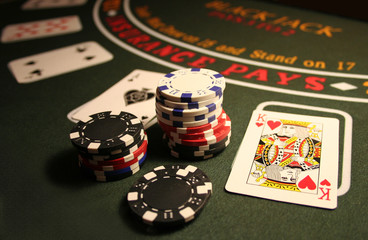
The near-miss phenomenon is another key aspect of gambling psychology. Players often experience a rush of excitement when they come close to winning—such as landing two out of three necessary symbols on a slot machine. This feeling, even in the absence of an actual win, can drive players to continue betting as they believe they are “due” for a victory. This psychological trap can ensnare gamblers in a cycle of persistent play, complicating their relationship with gambling and making it challenging to recognize when their behavior becomes problematic.
The impact of emotional and psychological states on gambling decisions
A person’s emotional and psychological state can profoundly influence their gambling choices. Conditions such as stress, anxiety, and depression can act as catalysts for problem gambling. Many individuals resort to gambling as a form of escapism, seeking temporary relief from their emotional struggles. This can result in a vicious cycle, where gambling offers a brief respite but ultimately exacerbates underlying emotional issues when losses accumulate, leading to further gambling as a coping mechanism.
Moreover, the exhilaration and adrenaline associated with gambling cannot be overlooked. The thrill of the game can induce an emotional high, which some individuals actively seek to reproduce. Winning can create a powerful rush, prompting players to re-engage in gambling activities even after experiencing losses. This emotional rollercoaster, characterized by peaks of excitement and valleys of despair, can become addictive as individuals chase the next significant win while simultaneously trying to avoid the emotional lows associated with losing.
Finally, recognizing one’s emotional triggers is vital for understanding gambling behavior. For example, individuals who gamble to alleviate feelings of boredom or loneliness may find themselves increasing their casino visits. By acknowledging these triggers, individuals can develop healthier coping strategies and gain insights into when their gambling transitions from a form of recreation to a potentially harmful habit. The interplay between emotional states and gambling decisions is crucial for understanding the broader psychological landscape surrounding gambling.
The environment of the casino: Designing for engagement
The environments of casinos are meticulously crafted to enhance engagement and promote prolonged play. Elements such as color schemes, soundscapes, and physical layouts create an immersive sensory experience that appeals to gamblers. For instance, warm colors and alluring lighting can foster a welcoming ambiance, while the sounds of coins clinking and cheers from other players can heighten feelings of excitement. This intentional design significantly influences player behavior, keeping their adrenaline levels high and their minds engaged in the gambling experience.

Additionally, the physical layout of a casino plays a crucial role in guiding patron movements and encouraging exploration. Slot machines and gaming tables are often arranged to optimize traffic flow, making it easy for players to transition from one game to another. The absence of clocks and windows contributes to a sense of timelessness, allowing players to lose track of time as they become engrossed in the gambling experience. This intentional disorientation can lead to extended gaming sessions, as players find it challenging to recognize how long they have been playing.
Promotional strategies, such as loyalty programs and complimentary beverages, exploit psychological principles of reward and reinforcement. By offering various incentives, casinos foster a sense of loyalty among players and encourage repeat visits. Gamblers may feel compelled to return to earn rewards, combining the allure of potential winnings with additional motivational factors. Understanding these environmental influences can provide valuable insights into the psychological frameworks at play in casino gambling, revealing how design and strategy work together to enhance engagement.
Gambling awareness and responsible gaming
A comprehensive understanding of the psychology behind gambling in casinos is essential for promoting responsible gaming practices. Awareness initiatives and educational programs play a vital role in helping individuals recognize the signs of problematic gambling behaviors. Providing resources for self-assessment and encouraging open conversations about gambling can empower individuals to take control of their gaming habits. By fostering an environment of awareness, players can make informed choices and engage in gambling activities responsibly, minimizing the risks associated with excessive play.
Many casinos are increasingly implementing measures to promote responsible gambling, focusing on player welfare. These initiatives may include setting limits on playtime and spending, offering resources for individuals seeking help, and promoting self-exclusion programs. By prioritizing the well-being of their patrons, casinos can create safer gaming environments and ensure that gambling remains a form of entertainment rather than a source of distress. This proactive approach not only benefits players but also enhances the overall reputation of the gambling industry.
Educating individuals about the psychological factors that drive gambling behavior can help mitigate risks associated with excessive gambling. By raising awareness of cognitive biases and emotional states that influence decision-making, players can become more conscious of their motivations and behaviors. These insights can pave the way for healthier gambling practices, allowing individuals to engage with gambling more mindfully and become aware of their limits. Ultimately, fostering a culture of responsible gaming is essential for creating a better experience for everyone involved in the gambling community.
